
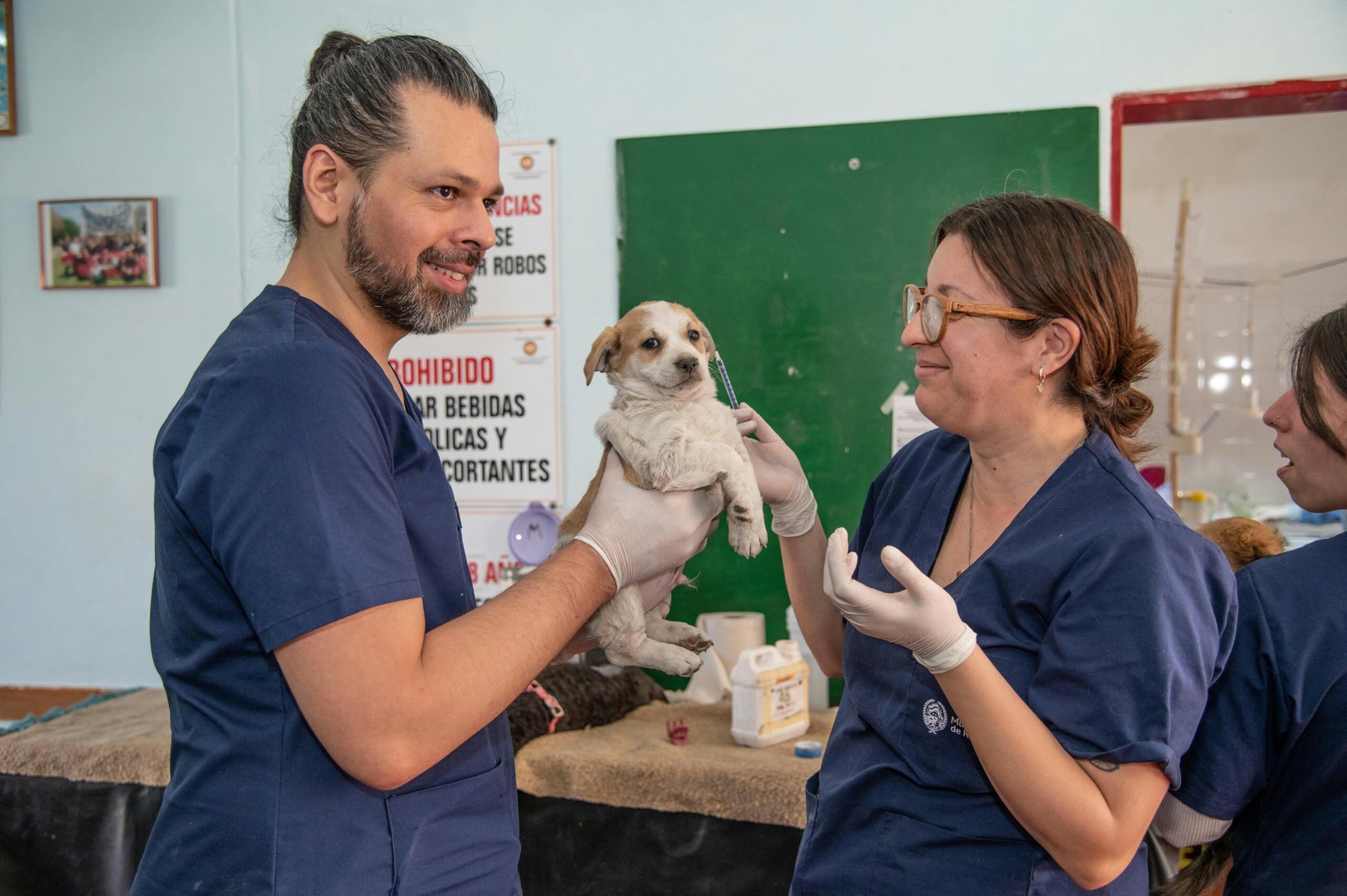
If you love animals and are interested in working in veterinary medicine, you may be wondering whether you need experience before becoming a veterinary assistant. The good news is that many people begin their veterinary careers with little to no hands-on experience at all.
In fact, veterinary assistant programs are designed to help students build the practical skills, confidence, and knowledge needed to work in real veterinary settings. Everyone has to start somewhere, and many successful veterinary assistants began with nothing more than a passion for animal care and a willingness to learn.
Yes, You Can Become a Vet Assistant Without Experience
Unlike some healthcare careers that require years of prior training, veterinary assisting is often considered an entry point into the veterinary field. Many veterinary assistant schools welcome students who:
- Have never worked in a veterinary clinic
- Are changing careers
- Recently graduated from high school
- Want hands-on experience working with animals
- Are you exploring long-term veterinary career paths
A quality veterinary assistant training program teaches students the foundational skills employers look for, even if they have no previous clinical experience.
What Skills Are Taught in Veterinary Assistant Training?
Veterinary assistant programs focus on preparing students for the day-to-day responsibilities found in veterinary clinics and animal hospitals. Students typically learn:
- Animal handling and restraint
- Basic animal anatomy and terminology
- Cleaning and sanitizing veterinary equipment
- Preparing exam rooms
- Assisting veterinary teams during procedures
- Monitoring animals during recovery
- Communication and client interaction
- Safety and infection control practices
Hands-on training helps students feel more comfortable working around animals while learning how veterinary environments operate.
Employers Often Value Attitude Over Experience
Many veterinary clinics understand that entry-level candidates may not have professional experience yet. Employers often look for qualities such as:
- Compassion for animals
- Reliability
- Strong communication skills
- Ability to stay calm under pressure
- Willingness to learn
- Teamwork and professionalism
Someone who is motivated, dependable, and eager to grow can often stand out just as much as a candidate with prior experience.
Hands-On Learning Helps Build Confidence
One of the biggest concerns for beginners is feeling nervous around medical settings or unfamiliar animals. This is completely normal. Veterinary assistant programs are designed to gradually help students build confidence through supervised learning and real-world practice.
Over time, students become more comfortable with:
- Handling dogs and cats safely
- Understanding clinic workflows
- Supporting veterinary teams
- Communicating with pet owners
- Working in fast-paced environments
The more exposure students receive, the more natural these responsibilities begin to feel.
Volunteering Can Help, But It Is Not Required
While experience is not necessary to start training, some students choose to volunteer at:
- Animal shelters
- Rescue organizations
- Boarding facilities
- Pet adoption events
Volunteering can provide additional exposure to animal care and help students confirm that veterinary medicine is the right path for them. However, it is not a requirement for enrolling in most veterinary assistant programs.
Becoming a Vet Assistant Can Open Doors
For many people, becoming a veterinary assistant is the first step toward a long-term career in animal healthcare. Some graduates continue gaining experience and later pursue roles such as:
- Veterinary technician
- Specialty veterinary assistant
- Emergency animal care assistant
- Animal rehabilitation support
- Veterinary practice management
Starting without experience does not limit your future opportunities. It simply means you are at the beginning of the journey.
Go For It
You do not need previous experience to begin training as a veterinary assistant. With the right education, hands-on learning, and dedication, it is possible to build the skills needed to succeed in the veterinary field.
If you are passionate about animals, eager to learn, and interested in a meaningful career, veterinary assisting can be an excellent place to start.