
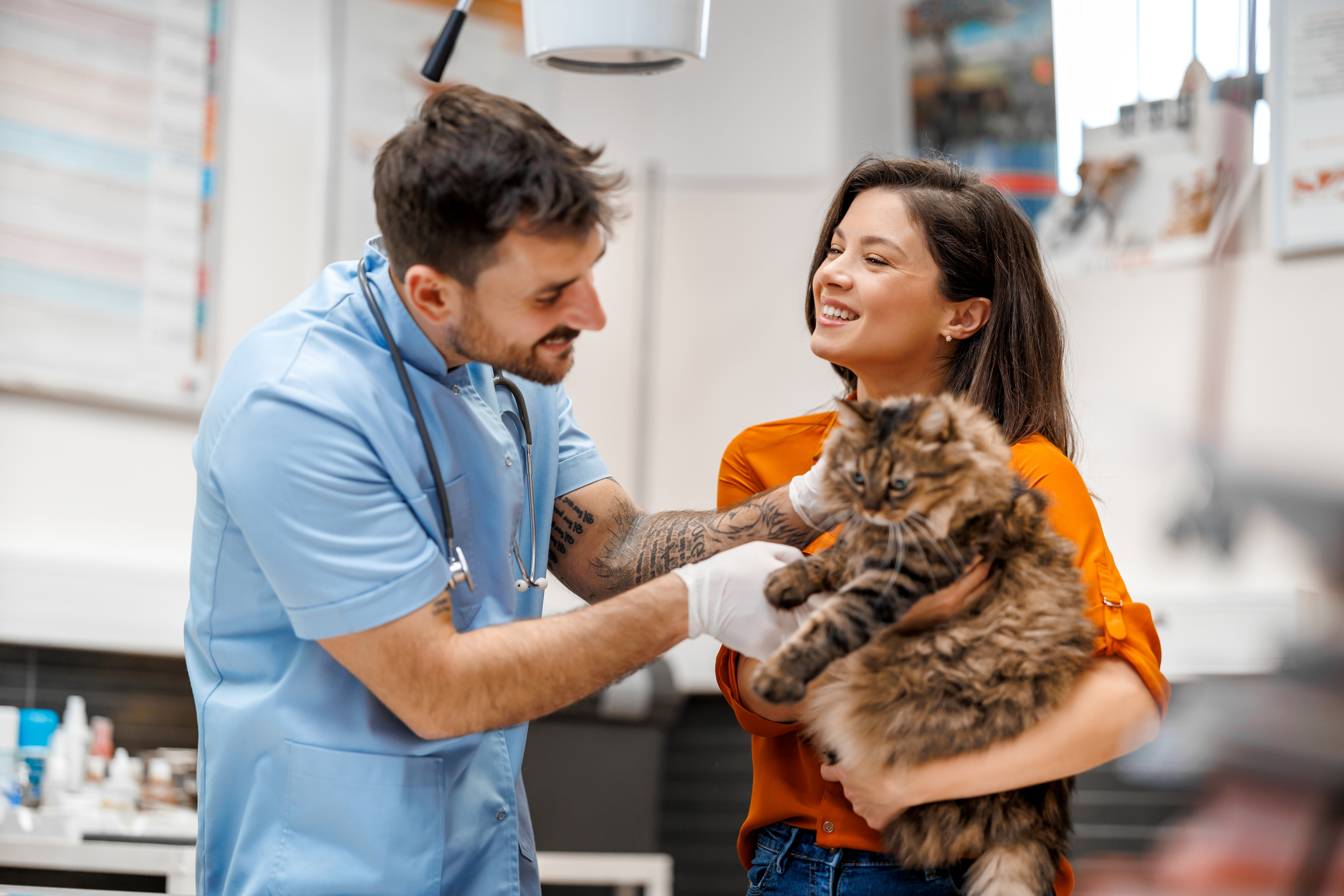
If you love animals and have ever wondered what it’s like to work in a veterinary clinic, becoming a veterinary assistant may be the perfect career path. Veterinary assistants play a vital role in helping veterinarians and veterinary technicians provide quality care to animals every day.
No two days are exactly alike, which is one of the reasons so many people find this career rewarding. From comforting nervous pets to assisting with medical procedures, veterinary assistants are involved in nearly every aspect of patient care.
Starting the Day
Many veterinary assistants begin their day by preparing exam rooms, organizing supplies, and reviewing the schedule for upcoming appointments. Depending on the clinic, the day may include wellness visits, vaccinations, surgeries, emergency cases, and follow-up appointments.
Before the first patients arrive, veterinary assistants often help ensure that treatment areas are clean, stocked, and ready for the day ahead.
Welcoming Patients and Their Owners
One of the most important parts of the job is helping pets feel comfortable and safe. Veterinary assistants may greet patients, collect basic information from pet owners, obtain patient histories, and help animals settle into exam rooms.
For many pets, a visit to the veterinarian can be stressful. Veterinary assistants help create a calm and positive experience for both animals and their owners.
Assisting During Exams
Throughout the day, veterinary assistants help veterinarians and veterinary technicians during examinations. This may include:
- Safely restraining animals
- Preparing equipment and supplies
- Recording patient information
- Helping collect samples
- Monitoring patients before and after procedures
Their support allows the veterinary team to work efficiently while ensuring each patient receives quality care.
Supporting Surgical Procedures
In clinics that perform surgeries, veterinary assistants may help prepare surgical areas, sterilize equipment, and assist with patient preparation before procedures.
After surgery, they often help monitor patients during recovery and ensure they remain comfortable as they wake from anesthesia.
Caring for Hospitalized Patients
Veterinary assistants frequently help care for animals that need extended treatment or observation. Responsibilities may include feeding patients, cleaning kennels, monitoring behavior, and providing comfort during recovery.
These moments often allow assistants to build meaningful connections with the animals in their care.
Ending the Day
Before heading home, veterinary assistants help clean treatment areas, restock supplies, update records, and prepare the clinic for the next day.
While the work can be fast-paced, many veterinary assistants find tremendous satisfaction in knowing they helped improve the lives of animals and their families.
Is Veterinary Assisting Right for You?
If you enjoy working with animals, thrive in a team environment, and want a career where every day brings something new, veterinary assisting could be an excellent fit.
At OCVAS, students gain the knowledge and hands-on experience needed to prepare for opportunities in veterinary medicine. Through flexible training designed for today’s learners, aspiring veterinary assistants can take the first step toward a rewarding career helping animals every day.