Choosing between small animal and large animal practice is one of the most important career decisions you will make in veterinary medicine. While both paths are rooted in animal care and medical expertise, the day-to-day work, required skills, lifestyle, and long-term career satisfaction can look very different.
If you are deciding which direction best fits your strengths, interests, and goals, this guide breaks down the key differences to help you make a confident, informed choice.
Understanding the Core Differences Between Small Animal and Large Animal Practice
At a high level, small animal practice typically focuses on companion animals such as dogs, cats, and sometimes exotic pets. Large animal practice centers on livestock such as cattle, horses, sheep, goats, and pigs, often in agricultural or rural settings.
While the foundation of veterinary medicine applies to both, the environment, physical demands, and client relationships differ significantly.
Differences in Duties, Skills, and Temperament
Small Animal Practice
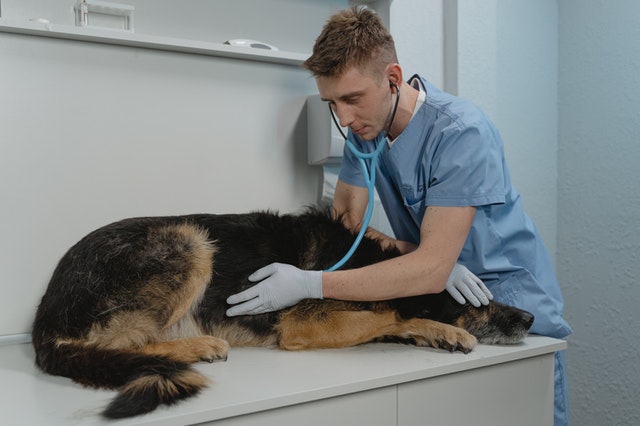
Small animal professionals usually work in clinics, hospitals, or specialty practices with controlled indoor environments. Daily responsibilities often include wellness exams, diagnostics, dentistry, surgery, imaging, and client education.
Key skills and traits that align well with small animal practice include:
- Strong communication and customer service skills
- Comfort working in fast-paced clinical settings
- Attention to detail and diagnostics
- Enjoyment of long-term relationships with pets and owners
- Emotional resilience, particularly with end-of-life care
Many small animal roles involve close collaboration with pet owners, explaining treatment options, costs, and preventive care. If you enjoy building trust with clients and working in a structured medical setting, this path may be a strong fit.
Large Animal Practice
Large animal professionals often work in the field, traveling to farms, ranches, or stables. Duties may include herd health management, reproductive services, emergency care, lameness evaluations, and disease prevention.
Skills and traits that suit large animal practice include:
- Physical strength and endurance
- Comfort working outdoors in varying weather
- Problem-solving in less controlled environments
- Confidence handling large, sometimes unpredictable animals
- Interest in agriculture, food systems, or equine care
Large animal work tends to be more independent and physically demanding. Practitioners often work irregular hours, including early mornings and emergencies. This path can be rewarding for those who enjoy autonomy, variety, and hands-on work outside a traditional clinic.
How School Training Applies to Each Path
Veterinary education and veterinary assistant or technician training programs are designed to provide a broad foundation in animal anatomy, physiology, pharmacology, and clinical skills. During training, students are typically exposed to both small and large animal medicine through coursework and practical labs.
That said, how training applies after graduation often depends on your chosen focus.
Students leaning toward small animal practice usually benefit most from coursework and externships in:
- Diagnostic imaging
- Anesthesia and surgical assisting
- Client communication
- Hospital workflows
- Companion animal nursing
Those considering large animal practice often gain valuable experience through:
- Livestock handling labs
- Farm or ranch externships
- Reproductive health training
- Field safety and biosecurity education
- Emergency and ambulatory care exposure
Many graduates report that hands-on experience plays a major role in clarifying their preference. Clinical rotations, internships, and externships are often the moment when students realize which environment feels right.
Career Satisfaction and Earning Potential in Small Animal and Large Animal Practice
Career Satisfaction
Career satisfaction is highly personal and often tied to lifestyle preferences as much as job duties.
Small animal professionals frequently report satisfaction from forming bonds with pets and clients, working in team-based environments, and having more predictable schedules. Burnout can occur due to emotional strain, workload, and high client expectations, but many find fulfillment in companion animal care.
Large animal professionals often value the independence, variety, and connection to agriculture or equine industries. Job satisfaction may stem from problem-solving in the field and supporting food production or working animals. Challenges can include physical strain, long hours, and work-life balance.
Earning Potential
Earning potential varies by region, experience level, and role, but there are some general trends.
Small animal roles are more abundant in urban and suburban areas, offering greater job availability and opportunities for specialization. Wages are often stable and may increase with certifications or specialty skills.
Large animal roles can offer competitive compensation, particularly in underserved rural areas or specialized fields such as equine medicine or herd health consulting. However, travel demands and on-call responsibilities are important factors to consider alongside pay.
Choosing the Path That Fits You Best
When deciding between small animal and large animal practice, ask yourself a few key questions:
- Do I prefer indoor clinical settings or outdoor, hands-on fieldwork
- How important is a predictable schedule to my lifestyle
- Am I comfortable with physical labor and travel
- Do I enjoy client communication or independent problem-solving more
- What type of animals do I feel most connected to
There is no right or wrong choice, only the path that aligns best with who you are and how you want to work.
Final Thoughts
Both small animal and large animal practice offer meaningful, impactful careers in veterinary medicine. By understanding the differences in daily duties, required skills, training applications, and lifestyle considerations, you can choose a path that supports both your professional success and long-term satisfaction.
If you are still unsure, gaining hands-on experience through shadowing, externships, or internships is often the most effective way to clarify your decision.
Choosing the right fit early can set the foundation for a rewarding and sustainable career working with animals.