If you’re starting a career in veterinary medicine, one of the biggest decisions you may face is whether to pursue an internship or a paid job while building your experience. Both options can help you gain valuable hands-on training, build professional connections, and prepare for a long-term career working with animals.
But which path is the best choice for you?
Understanding the benefits and challenges of internships and paid work can help veterinary assistant students choose the option that aligns with their career goals, schedule, and financial needs.
Students enrolled in veterinary assistant classes at OCVAS gain practical training designed to help them confidently enter veterinary clinics, whether through internships or paid positions.
Below, we break down the pros and cons of each path so you can decide what works best for your career.
What Is a Veterinary Internship?
A veterinary internship is typically a short-term training opportunity that allows students to gain hands-on experience in a veterinary clinic, hospital, or animal care facility. These positions may be unpaid or provide a small stipend, but they focus primarily on learning rather than earning income.
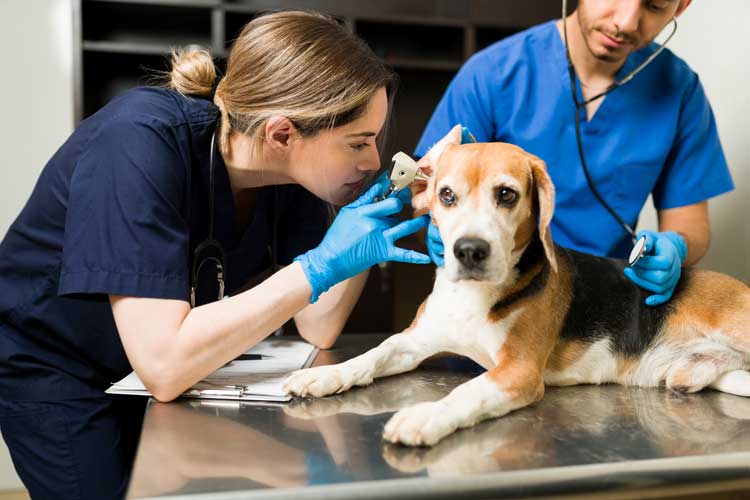
Internships allow students to observe procedures, assist with basic tasks, and develop real-world clinical skills under the guidance of experienced veterinary professionals.
Benefits of Veterinary Internships
Hands-On Learning
Internships give students the chance to apply what they learn in the classroom to real veterinary environments. This practical exposure can help build confidence and improve clinical skills.
Mentorship Opportunities
Working alongside experienced veterinarians and veterinary technicians allows students to ask questions, learn best practices, and receive guidance about career paths in animal healthcare.
Networking in the Industry
Internships can help students build relationships with clinic staff and professionals in the field. These connections may lead to job opportunities later on.
Resume Building
Employers often value candidates who already have clinic experience. Completing an internship demonstrates commitment to the field and a willingness to learn.
Challenges of Internships
While internships provide valuable experience, they also have a few limitations.
Limited or No Pay
Many internships are unpaid, which may not be financially feasible for every student.
Short-Term Opportunities
Internships are usually temporary, meaning students may need to continue searching for long-term employment afterward.
Fewer Responsibilities
Because interns are still learning, they may not be trusted with as many responsibilities as paid employees.
Benefits of Paid Veterinary Work
A paid position in a veterinary clinic allows students to earn income while gaining practical experience.
Real Workplace Experience
Paid employees are often given more responsibilities and a deeper role in daily clinic operations.
Financial Stability
Being paid while learning can help students support themselves while working toward their career goals.
Skill Development
Working consistently in a clinic environment helps students develop technical and communication skills quickly.
Potential Career Advancement
Many veterinary assistants who start in entry-level roles are able to grow within the clinic and take on more responsibilities over time.
Challenges of Paid Veterinary Work
While paid work offers many advantages, it may also come with certain challenges.
Steeper Learning Curve
Paid employees may be expected to learn quickly and handle responsibilities right away.
Balancing Work and Training
Students who work while attending classes must manage their time carefully to balance education and job responsibilities.
How Students Can Leverage Experience
Whether you choose an internship or paid work, the key is making the most of the experience.
Students can maximize their opportunities by:
- Asking questions and learning from experienced staff
- Observing procedures and understanding clinic workflows
- Practicing animal handling techniques
- Developing communication skills with pet owners
- Building relationships with veterinary professionals
These experiences not only strengthen your resume but also help you discover which areas of veterinary medicine interest you most.
How OCVAS Helps Students Prepare for Veterinary Careers
Training plays a major role in helping students transition into veterinary clinics successfully. Programs like the Veterinary Assistant Classes at OCVAS are designed to provide students with the foundational knowledge and practical skills needed to succeed in real clinical environments.
Through structured learning and hands-on instruction, students gain experience with:
- Animal handling and restraint techniques
- Basic veterinary medical procedures
- Clinic safety and sanitation practices
- Communication with veterinary teams and pet owners
This preparation helps graduates feel confident pursuing internships, entry-level veterinary assistant positions, or other opportunities in the animal healthcare field.
Choosing the Right Path for Your Veterinary Career
There is no single “right” choice between internships and paid work. The best option depends on your personal goals, financial needs, and career timeline.
Internships can provide valuable mentorship and exposure to the veterinary field, while paid work offers income and deeper involvement in daily clinic operations.
For many students, a combination of both experiences can be the ideal path. Starting with training and practical preparation through programs like OCVAS Veterinary Assistant Classes can help open the door to both internship opportunities and paid veterinary clinic positions.