Veterinary technicians are essential members of the animal healthcare team. They assist veterinarians with patient care, perform diagnostic tests, monitor animals during procedures, and communicate with pet owners. Because the role requires both medical knowledge and strong interpersonal abilities, employers look for a combination of technical and soft skills when hiring vet techs.
If you’re preparing for a career in veterinary medicine, developing these key skills will help you stand out in job applications and thrive in the clinic environment.
If you’re interested in starting your career, consider enrolling in professional training like the Veterinary Assistant Classes at OCVAS, which help students build the practical and professional skills employers expect.
Below are the top skills veterinary clinics look for when hiring vet techs.
1. Animal Handling and Restraint Skills
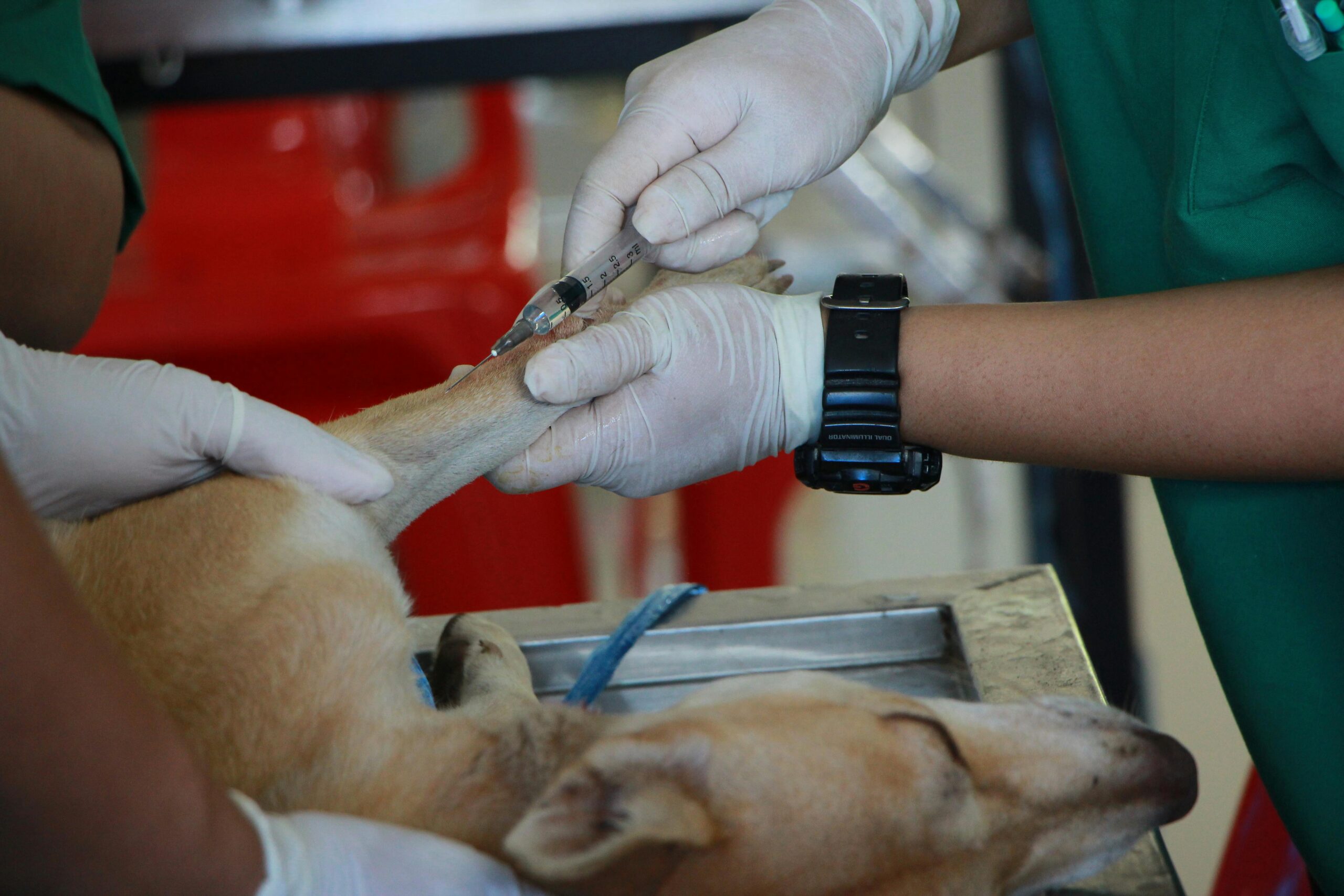
One of the most fundamental skills for veterinary technicians is the ability to safely handle animals. Pets often feel stressed, frightened, or in pain during medical visits, so proper restraint techniques help keep both the animal and veterinary staff safe.
Vet techs must know how to calmly handle animals of different sizes and species while minimizing stress and discomfort.
2. Attention to Detail
Veterinary medicine requires precision. Vet techs record patient histories, monitor vital signs, administer medications, and assist during surgical procedures. Even small mistakes can affect an animal’s health.
Employers look for candidates who can carefully follow protocols and notice subtle changes in an animal’s condition.
3. Communication Skills
Despite working with animals, veterinary technicians spend a large portion of their day communicating with people.
Strong communication skills allow vet techs to:
- Explain treatment instructions to pet owners
- Update veterinarians on patient conditions
- Coordinate with other clinic staff
Clear communication builds trust with clients and helps ensure pets receive the best possible care.
4. Compassion and Empathy
Working in veterinary medicine means supporting both animals and their owners during stressful situations. Many clients are worried about their pets, and sometimes clinics must handle difficult situations such as serious illness or euthanasia.
Compassion and empathy help veterinary technicians comfort animals and provide emotional support to pet owners during challenging moments.
5. Teamwork and Collaboration
Veterinary clinics rely heavily on teamwork. Vet techs work closely with veterinarians, assistants, receptionists, and sometimes specialists.
Being able to collaborate effectively helps clinics run smoothly and ensures animals receive efficient, high-quality care.
6. Medical and Technical Knowledge
Veterinary technicians must understand basic medical procedures and terminology. They assist with tasks such as:
- Drawing blood
- Taking X-rays
- Monitoring anesthesia
- Administering medications
- Collecting lab samples
This technical knowledge allows vet techs to support veterinarians during exams, diagnostics, and surgeries.
7. Problem-Solving Skills
Every day in a veterinary clinic can bring unexpected challenges. Animals may present unusual symptoms, procedures may require adjustments, or emergencies may arise.
Strong problem-solving skills help veterinary technicians stay calm and respond quickly in critical situations.
8. Organization and Time Management
Veterinary clinics can be busy environments with multiple patients, appointments, and procedures happening simultaneously.
Vet techs must stay organized by managing medical records, preparing exam rooms, tracking medications, and coordinating patient care efficiently.
9. Physical Stamina and Dexterity
The job of a vet tech is physically demanding. Technicians often:
- Lift or restrain animals
- Stand for long periods
- Assist during surgeries
- Handle medical instruments and equipment
Manual dexterity and physical stamina help vet techs perform their duties safely and effectively.
10. Passion for Animal Care and Continuous Learning
The best veterinary technicians genuinely love working with animals and are committed to learning throughout their careers. Veterinary medicine is constantly evolving, with new treatments, technologies, and best practices emerging regularly.
Employers value vet techs who are eager to learn and stay current in the field.
Start Building These Skills Today
Becoming a successful veterinary technician starts with the right training and hands-on experience. Programs like the Veterinary Assistant Classes at OCVAS teach students essential clinical skills, animal handling techniques, and professional practices needed to succeed in veterinary clinics.
Whether you’re just starting your career or looking to enter the veterinary field, building these skills can help you become a valuable member of any animal healthcare team.